
We are integrationists. Every first visit at Tao Performance Acupuncture puts a Western orthopedic and neurological exam alongside Chinese medicine, so Glenn Kazmierski, LAc, can choose what fits your case instead of relying on a single approach.
He has done this for 25 years, and most visits combine two or more of the techniques below. Here is what it looks like from the table.
The diagnosis guides the treatment
Glenn treats nothing until he knows what it is. His view of the body is multi-layered, built on anatomy and on energetics at once, and your first visit is spent reading both.
- Your history. What happened, when, and what makes it better or worse.
- Orthopedic tests. How the joint, tendon or muscle behaves through its range of motion and under load.
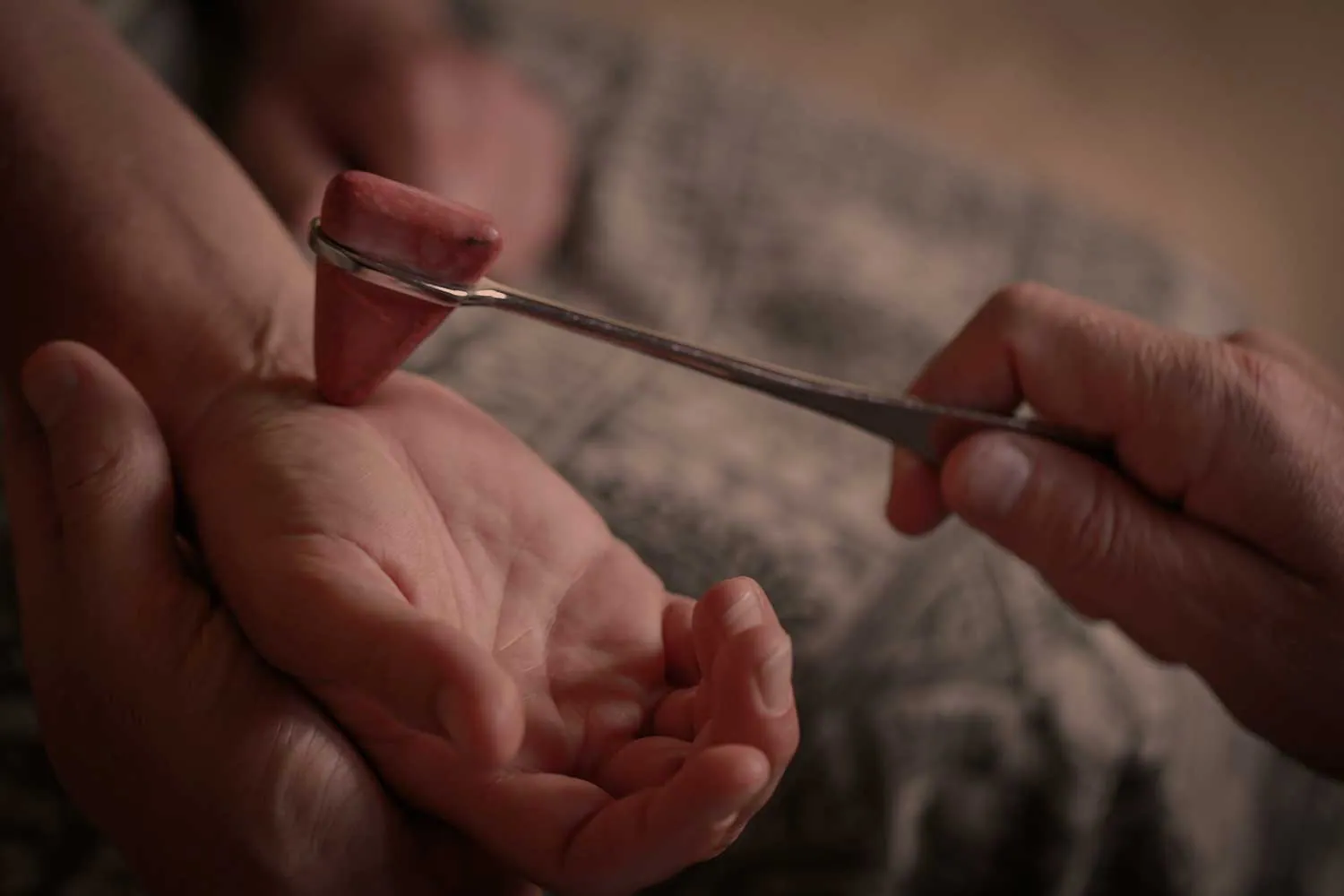
- Neurological screening. Reflexes, sensation and strength, to check whether a nerve is involved.
- Meridian assessment. Palpation along the channels of Chinese medicine, the way shiatsu reads the body.
Four findings, one treatment plan. Every fourth to sixth visit, Glenn repeats the exam and reviews the plan with you.
Acupuncture and electro-acupuncture
Acupuncture uses fine, sterile, single-use needles at points chosen from the assessment. With electro-acupuncture, a mild current runs between pairs of needles.
Glenn uses electro-acupuncture often with sports injuries and with nerve, joint and muscle pain. What you feel is a light, steady pulsing.
Manual therapy
At Five Branches University in Santa Cruz, Glenn developed and directed the Asian Bodywork and Qigong program and taught Ortho-shiatsu.
In a standard treatment that means Anma and Shiatsu, sports massage and orthopedic massage, worked into the same visit as the needles. When the bodywork needs a full 90 minutes of its own, book Japanese Floor Shiatsu by phone.
Cupping
Cups draw the skin and muscle up instead of pressing down on them. Glenn uses them for muscle spasm and for chronic tendon problems like tennis elbow, then follows with deep moist heat. More on the cupping page.
Liniments, gua sha, moxibustion and heat
These are the plain, old tools of Chinese sports medicine.
- Liniment massage with gua sha: an herbal liniment worked into the area, then a smooth-edged tool stroked along the skin.
- Moxibustion: dried mugwort, warmed over a point or along a channel.
- Moist heat and an infrared lamp, to warm tight tissue before or after the needles.
- Liniment oils and herbal plasters, applied in the room, and sometimes sent home with you.
Injury, vitality and the deeper work
Most people come to us hurt, and their care runs through Sports Acupuncture and Orthopedic and Spinal Care. Some come to stay well: see Vitality Treatments. A few come because something in their life is asking to change, and for them Glenn offers Archetypal Acupuncture on Thursdays.
When treatment happens
First visits, re-evaluations and standard treatments run Monday, Wednesday and Friday from 9 AM, alongside each other in our four treatment rooms. A returning-patient treatment is booked as 60 minutes. A first visit is booked for the same 60 minutes, with the assessment first and treatment after.
Thursday afternoons, 1 PM to 6 PM, are kept first for 90-minute Archetypal Acupuncture sessions, one person at a time. Japanese Floor Shiatsu, also 90 minutes, is booked by phone.
We bill UnitedHealthcare, Sutter Health Plan and Palo Alto Medical Foundation directly, and check your benefits before your first visit at no charge. HSA and FSA cards are accepted. For other plans and current fees, see Insurance.
Questions about how we treat
What happens at a first visit at Tao Performance Acupuncture? Glenn takes your history, then runs orthopedic, neurological and meridian assessments before he decides on treatment. The findings go into one plan that names the techniques he will use and how often you should come. What to bring and how long it takes are on New Patients.
How do you track whether treatment is working? Most people come weekly for about a month, and we track pain and function at every visit. Every fourth to sixth visit, Glenn repeats the exam and reviews the plan with you.
When should I see a doctor instead of an acupuncturist? Go to a doctor or an emergency room first for chest pain, numbness or weakness that is spreading, or an injury where a bone may be broken. Acupuncture at Tao Performance Acupuncture works alongside medical care and does not replace it.
Reach your ultimate potential
Start with a first visit and the full assessment.